
Caregiver Jobs in Portugal: Complete Guide to Careers, Salaries, Requirements, and Opportunities
Introduction
Portugal has emerged as one of the most attractive European destinations for caregivers seeking stable employment, professional growth, and the opportunity to make a meaningful difference in people’s lives. The country’s aging population, expanding healthcare sector, and increasing demand for home-based care services have created thousands of employment opportunities for caregivers, healthcare assistants, and personal support workers.
Caregivers play a vital role in supporting elderly individuals, people with disabilities, patients recovering from illness, and those who require assistance with daily living activities. As families increasingly seek professional care services for their loved ones, the need for qualified caregivers continues to grow throughout Portugal.
Whether you are an experienced caregiver looking for international opportunities or someone interested in starting a rewarding healthcare career, Portugal offers a wide range of positions in nursing homes, private residences, hospitals, rehabilitation centers, and community care organizations.
This guide explores everything job seekers need to know about caregiver jobs in Portugal, including responsibilities, qualifications, salary expectations, benefits, career growth opportunities, and application procedures.
Why Portugal Needs Caregivers
Portugal has one of the oldest populations in Europe. Improvements in healthcare and living standards have increased life expectancy, resulting in a growing number of elderly individuals who require daily assistance and specialized care.
At the same time, modern lifestyles and changing family structures mean that many families cannot provide full-time care for elderly relatives. As a result, professional caregivers have become an essential part of Portugal’s healthcare and social support system.
Several factors are driving demand for caregivers:
- Aging population
- Increased life expectancy
- Growing demand for home-care services
- Expansion of nursing homes and assisted living facilities
- Rising awareness of quality elderly care
- Shortages of healthcare support staff
- Increased need for disability and rehabilitation support
These trends are expected to continue for many years, making caregiving one of the most stable and in-demand professions in Portugal.
What Is a Caregiver?
A caregiver is a professional who assists individuals who need support due to age, illness, disability, injury, or other health-related conditions. Caregivers help clients maintain their independence, dignity, and quality of life by providing physical, emotional, and practical support.
Caregivers may work with:
- Elderly individuals
- People with physical disabilities
- Individuals with chronic illnesses
- Patients recovering from surgery
- Individuals with cognitive impairments
- People requiring long-term care
- Children or adults with special needs
Depending on the employer and client requirements, caregivers may work independently or as part of a healthcare team.
Main Responsibilities of a Caregiver
Caregiver duties can vary depending on the needs of the individual receiving care. However, most positions involve a combination of personal care, companionship, and household assistance.
Personal Care Assistance
Personal care is often one of the most important aspects of caregiving. Responsibilities may include:
- Assisting with bathing and showering
- Helping with dressing and grooming
- Supporting oral hygiene routines
- Assisting with toileting needs
- Maintaining personal cleanliness and comfort
Mobility Support
Many clients require assistance with movement and daily activities. Caregivers may help with:
- Walking assistance
- Wheelchair support
- Transfers from bed to chair
- Fall prevention
- Exercise and mobility programs
Meal Preparation
Nutrition plays a critical role in health and well-being. Caregivers often:
- Plan meals
- Prepare healthy food
- Monitor dietary restrictions
- Encourage proper hydration
- Assist with feeding when necessary
Medication Assistance
Depending on regulations and employer policies, caregivers may:
- Remind clients to take medication
- Monitor medication schedules
- Report medication-related concerns
- Observe changes in health conditions
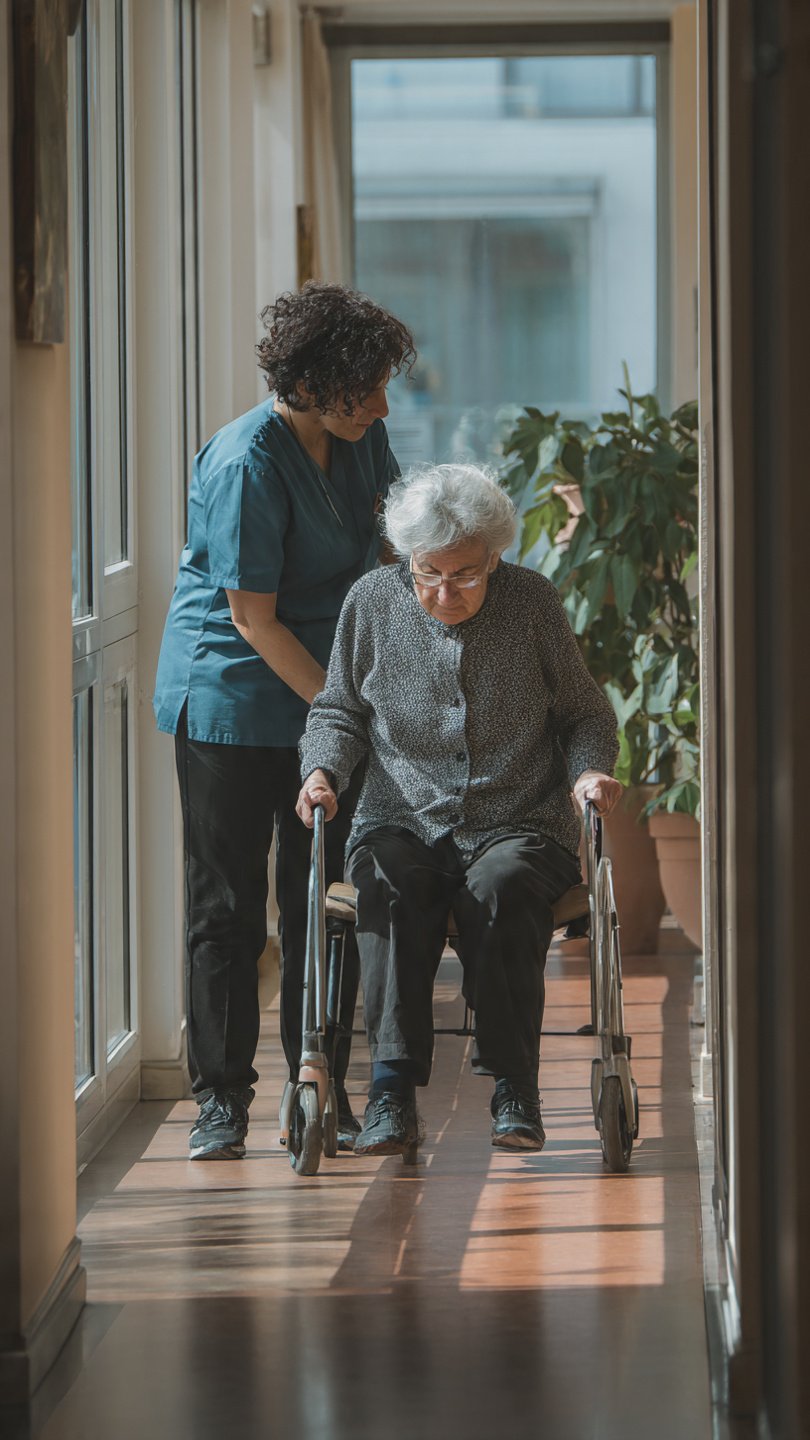
Companionship and Emotional Support
Social interaction is essential for mental health, especially among elderly individuals. Caregivers provide:
- Friendly conversation
- Emotional support
- Social engagement
- Recreational activities
- Accompaniment to appointments
Household Support
Some caregiver positions include light housekeeping tasks such as:
- Laundry
- Cleaning and organizing
- Grocery shopping
- Meal cleanup
- Maintaining a safe living environment
Types of Caregiver Jobs in Portugal
Portugal offers a variety of caregiver positions to suit different skills and experience levels.
Elderly Caregiver
Elderly caregivers support seniors who need help with daily living activities while maintaining their independence as much as possible.
Live-In Caregiver
Live-in caregivers reside in the client’s home and provide ongoing support. These positions often include accommodation and meals.
Home Care Assistant
Home care assistants visit clients in their homes according to scheduled shifts and care plans.
Nursing Home Caregiver
Nursing homes employ caregivers to support residents under the supervision of healthcare professionals.
Disability Support Worker
These caregivers assist individuals with physical or developmental disabilities.
Rehabilitation Care Assistant
Rehabilitation caregivers support patients recovering from illness, injury, or surgery.
Personal Care Assistant
Personal care assistants focus primarily on helping clients with personal hygiene and daily activities.
Skills Required for Caregiver Jobs
Successful caregivers possess a combination of technical abilities and personal qualities.
Communication Skills
Caregivers must communicate effectively with clients, families, and healthcare professionals.
Compassion and Empathy
Understanding clients’ emotional and physical needs is essential for providing quality care.
Patience
Many caregiving situations require calmness, understanding, and the ability to work at the client’s pace.
Reliability
Families and employers depend on caregivers to provide consistent and dependable support.
Time Management
Caregivers often manage multiple responsibilities and schedules throughout the day.
Physical Fitness
Some caregiving tasks require lifting, supporting, or assisting individuals with mobility challenges.
Problem-Solving Skills
Caregivers frequently encounter situations that require quick thinking and practical solutions.
Qualifications and Training
Although some entry-level positions may not require formal qualifications, employers generally prefer candidates with relevant training.
Preferred qualifications include:
- Caregiver certification
- Healthcare assistant training
- First aid certification
- CPR training
- Nursing assistant qualifications
- Elderly care training
- Disability support certifications
Previous work experience is often considered a significant advantage.
Portuguese Language Requirements
Portuguese language skills can greatly improve employment opportunities. While some private employers may hire English-speaking caregivers, most caregiving positions involve daily interaction with Portuguese-speaking clients.
Basic Portuguese knowledge helps caregivers:
- Communicate effectively
- Understand care instructions
- Build trust with clients
- Improve career opportunities
- Adapt more easily to life in Portugal
Salary Expectations for Caregiver Jobs in Portugal
Caregiver salaries vary depending on experience, qualifications, location, employer type, and responsibilities.
Typical monthly earnings may include:
Entry-Level Caregivers
€850–€1,000 per month
Experienced Caregivers
€1,000–€1,400 per month
Specialized Caregivers
€1,300–€1,800 per month
Live-In Caregivers
In addition to salary, live-in caregivers may receive:
- Free accommodation
- Meals
- Utilities
- Transportation support
Additional compensation may include:
- Overtime pay
- Holiday pay
- Night shift allowances
- Social security contributions
- Paid annual leave
Best Cities for Caregiver Jobs in Portugal
Lisbon
As the capital city, Lisbon offers numerous opportunities in hospitals, nursing homes, and private care services.
Porto
Portugal’s second-largest city has a growing healthcare sector and strong demand for caregivers.
Braga
Braga’s expanding healthcare infrastructure creates opportunities for both local and international workers.
Coimbra
Known for its medical and educational institutions, Coimbra offers various healthcare-related positions.
Faro
Located in the Algarve region, Faro has increasing demand for elderly care professionals, especially among retirees.
Benefits of Working as a Caregiver in Portugal
Caregiver positions offer several advantages, including:
Stable Employment
The growing demand for care services creates long-term job security.
Meaningful Work
Caregivers positively impact the lives of individuals and families every day.
Career Development
Many caregivers use their experience as a stepping stone toward healthcare careers.
International Experience
Working in Portugal provides valuable international work experience.
Professional Growth
Training and certifications can lead to promotions and specialized roles.
Cultural Experience
Portugal offers a rich cultural environment, pleasant climate, and high quality of life.
Career Advancement Opportunities
Caregiving can lead to a variety of healthcare career paths, including:
- Healthcare Assistant
- Senior Care Specialist
- Rehabilitation Support Worker
- Nursing Assistant
- Community Care Coordinator
- Healthcare Supervisor
- Licensed Nurse (with additional education)
Employers often encourage continuous professional development through training programs and certifications.
How to Apply for Caregiver Jobs in Portugal
Job seekers should follow these steps:
Prepare a Professional CV
Include:
- Work experience
- Education
- Certifications
- Language skills
- References
Search for Opportunities
Look for openings through:
- Job portals
- Healthcare recruitment agencies
- Nursing homes
- Home-care providers
- Healthcare institutions
Obtain Necessary Documentation
International candidates may require:
- Valid passport
- Work authorization
- Residence permit
- Educational certificates
- Employment references
Attend Interviews
Employers may assess:
- Caregiving experience
- Communication skills
- Problem-solving ability
- Compassion and professionalism
Tips for Success as a Caregiver
To build a successful caregiving career in Portugal:
- Continue learning and improving skills
- Develop Portuguese language proficiency
- Maintain professional standards
- Build strong relationships with clients
- Stay updated on healthcare practices
- Obtain additional certifications
- Demonstrate reliability and compassion
APPLY NOW
Caregiver jobs in Portugal offer excellent opportunities for individuals seeking a rewarding and stable career in the healthcare sector. With increasing demand for elderly care and personal support services, caregivers play an essential role in improving the lives of those who need assistance.
Whether you are an experienced professional or beginning your journey in healthcare, Portugal provides diverse employment opportunities, competitive benefits, and the chance to develop a meaningful long-term career. By gaining relevant qualifications, improving language skills, and demonstrating dedication to quality care, caregivers can build a successful future in one of Europe’s growing healthcare markets.